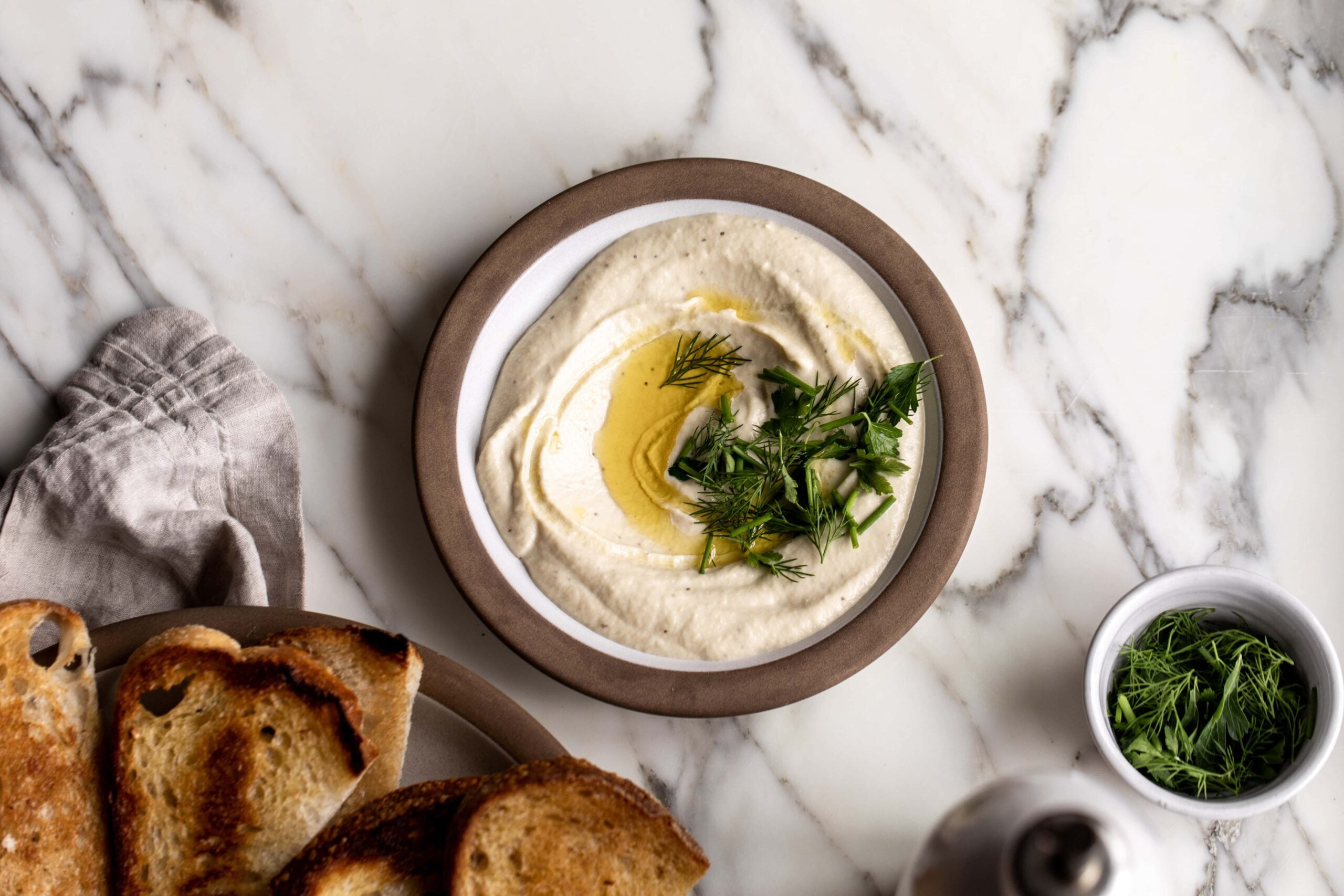
Experience the Authentic Creamy Eggplant Dip: No Tahini, No Yogurt
In the vast culinary landscape of Mediterranean and Middle Eastern cuisine, few dishes evoke such a comforting sense of tradition and robust flavor as a well-made eggplant dip. While many variations exist, often featuring tahini for nuttiness or yogurt for tang, there's a particularly authentic and incredibly satisfying version that stands apart. This is the creamy eggplant dip that relies solely on the inherent richness of perfectly roasted eggplant, brightened with fresh aromatics, to achieve a velvety texture and profound taste. It’s a delightful journey into pure, unadulterated eggplant goodness, perfect for those seeking a vibrant dip without the usual additions.
Often enjoyed as a versatile snack or a beloved side dish, this roasted eggplant creation is a testament to simple ingredients yielding extraordinary results. Whether you’re vegan or vegetarian, this recipe is easily adaptable and promises to elevate your next gathering or quiet evening in. Forget the fast-food cravings; this homemade delight offers a wholesome and profoundly satisfying alternative that’s surprisingly easy to master.
The Essence of Authenticity: Distinguishing Your Dip
The world of eggplant dips is diverse, with each region and tradition bringing its unique twist. Understanding these nuances helps appreciate what makes *this* particular creamy eggplant dip so special. When most people think of eggplant dip, two prominent names often come to mind: Baba Ganoush and Moutabbal. While similar in their use of roasted eggplant, their defining characteristics lie in their additional ingredients.
- Baba Ganoush (or Baba Ganouj), arguably the most famous, typically incorporates eggplant, onion, tomato, garlic, lemon juice, olive oil, and parsley. Crucially, the traditional version of Baba Ganoush often does not include tahini.
- Moutabbal, a popular Middle Eastern mezze, is distinct for its inclusion of tahini, and sometimes yogurt, alongside the eggplant, garlic, lemon juice, and olive oil. This gives it a nuttier, often thicker consistency.
Our focus today is on a creamy eggplant dip that meticulously avoids both tahini and yogurt. This deliberate omission allows the delicate, smoky flavor of the eggplant to truly shine through, unmasked by other strong flavors. It's a style akin to the Greek Melitzanosalata, or Greek eggplant dip, which often emphasizes garlic and onion, providing a robust savory foundation. In Romania, a similar dish known as 'Salata de vinete' (aubergine salad) is also cherished, though the term 'salad' might mystify some, it perfectly describes a spreadable, flavorful preparation of aubergine. What these varieties share with our chosen recipe is a devotion to the eggplant itself as the primary flavor agent, amplified by fresh, simple additions rather than enriched by dairy or nut pastes.
Mastering the Roast: The Secret to Smoky Perfection
The heart of any truly exceptional creamy eggplant dip lies in how the eggplant is cooked. It’s not just about softening the flesh; it’s about infusing it with that quintessential smoky depth that elevates the entire dish. While there are various methods to cook eggplant, for the best results, a direct flame or high heat is paramount. For a deeper dive into the nuances of eggplant cooking, explore our guide on Grill or Roast: Crafting the Perfect Smoky Eggplant Dip.
The Ideal Method: Grilling on a BBQ
If you have access to a BBQ, grilling the eggplants directly over an open flame is undoubtedly the superior method. The intense, direct heat blackens the skin quickly while cooking the interior to a tender, smoky perfection. This charring imparts an unparalleled depth of flavor that baking simply cannot replicate. The smoky aroma is so enticing, it’s practically a dish in itself!
The Reliable Alternative: Oven Roasting
If grilling isn't an option, your oven can still yield fantastic results, provided you follow a few critical steps. Preheat your oven to a scorching 210ºC (420ºF). Pierce the aubergine in a couple of places with a sharp knife to allow steam to escape, then roast for approximately 25-30 minutes. The goal is for the skin to turn black and blister, and the flesh inside to become incredibly soft and yielding.
The Crucial Quick-Fire Principle: This is perhaps the most vital tip for a visually appealing and delicious dip. Eggplants *must* be cooked on a quick, direct heat. A slow fire is a recipe for disaster, causing the flesh to turn an unappetizing dark purple-greenish hue, which can also affect the taste, making it slightly bitter or unpleasant. Quick, intense heat cooks the eggplant rapidly, ensuring the interior flesh remains beautifully white and creamy, preserving its delicate flavor and appealing appearance. Nobody wants a dull-looking dip!
Once roasted, immediately transfer the hot eggplants to a chopping board. Make a longitudinal cut down the middle and scoop out the tender, smoky flesh. Allow it to cool slightly before proceeding with the rest of your ingredients.
Selecting Your Star: The Best Eggplants for Your Dip
Just as important as the cooking method is the choice of eggplant itself. There are numerous varieties available globally, each with its own characteristics. While many will work, some are undeniably better for achieving that coveted creamy eggplant dip texture and flavor.
Here’s a quick guide to some common eggplant types and their suitability:
- The Globe Eggplant: The most common variety, large and deep purple. While widely available, its flesh can sometimes be a bit fibrous, and it may contain more seeds, which can introduce a slight bitterness if not removed.
- Italian Eggplant: Similar to the Globe but generally smaller and slightly elongated. Its characteristics are comparable to the Globe.
- Japanese Eggplant (or Asian Type): These are typically light purple, slim, and longer than their Globe counterparts. They are often found in Asian markets. Their delicate skin and fewer seeds make them an excellent choice for dips, yielding a smoother, less bitter result.
- Rosa Bianca Eggplant: Visually stunning with its mottled lavender and white skin, the Rosa Bianca boasts a more delicate flavor and creamy texture, making it superb for dips where a subtle sweetness is desired.
- Thai Eggplant: These small, round, green-and-white striped eggplants resemble mini watermelons. They are quite bitter unless the seeds are meticulously removed, and are generally better suited for curries where their bitterness can be balanced by other strong flavors.
- White Eggplant: As their name suggests, these eggplants are white-skinned. They offer a mild flavor and lovely creamy flesh, making them another fantastic option for this dip, especially if you desire a lighter-colored final product.
For this specific creamy eggplant dip recipe, many enthusiasts, including myself, find that the Japanese and White eggplant varieties consistently deliver the best results. Their less bitter flesh and often fewer seeds contribute to a superior texture and a purer eggplant flavor that truly sings.
Building Your Perfect Creamy Eggplant Dip
Once your chosen eggplant is perfectly roasted and its flesh scooped out, the rest is about careful assembly. To create a truly irresistible dip, focus on fresh, high-quality ingredients that complement the smoky eggplant without overpowering it.
Essential Ingredients:
- Roasted Eggplant Flesh: The star of the show, cool enough to handle.
- Fresh Garlic: Minced or finely grated. Adjust to your taste – some prefer a potent garlic kick, others a more subtle hint.
- Lemon Juice: Freshly squeezed is non-negotiable. It adds essential brightness and acidity, cutting through the richness of the eggplant.
- Extra Virgin Olive Oil: A generous drizzle is key for silkiness and flavor. Choose a good quality oil.
- Fresh Parsley: Finely chopped, for a burst of herbaceous freshness and a beautiful green garnish.
- Onion (optional but recommended): Finely minced raw onion adds a lovely pungency and texture, a signature element in styles like Melitzanosalata.
- Tomato (optional): A small amount of finely diced fresh tomato can add a little sweetness and tang, creating a more Baba Ganoush-like profile without tahini.
- Salt and Freshly Ground Black Pepper: To taste, enhancing all the other flavors.
Method: Combine the eggplant flesh with the garlic, lemon juice, olive oil, and salt and pepper in a bowl. For the creamiest texture, you can mash it vigorously with a fork or potato masher, or for an ultra-smooth dip, pulse it a few times in a food processor (being careful not to over-process, as this can make it gummy). Stir in the fresh parsley, and if using, the minced onion and diced tomato. Taste and adjust seasonings as needed.
Serve your magnificent creamy eggplant dip with warm pita bread, crusty artisan bread, an assortment of crisp raw vegetables like cucumber, carrots, or bell peppers, or even as a dollop alongside grilled meats or fish. Its versatility makes it a perfect companion for virtually any meal or snack occasion.
Conclusion
Crafting this authentic creamy eggplant dip is more than just following a recipe; it's an embrace of tradition and a celebration of pure, unadulterated flavor. By focusing on the quality of your eggplant, mastering the high-heat roasting technique, and combining it with fresh, vibrant aromatics, you create a dip that stands tall without the need for tahini or yogurt. It’s a testament to how simple ingredients, handled with care and knowledge, can deliver an extraordinary culinary experience. So, next time you're craving a wholesome, flavorful snack or a captivating appetizer, reach for an eggplant and embark on this delicious journey. Your taste buds will thank you!
