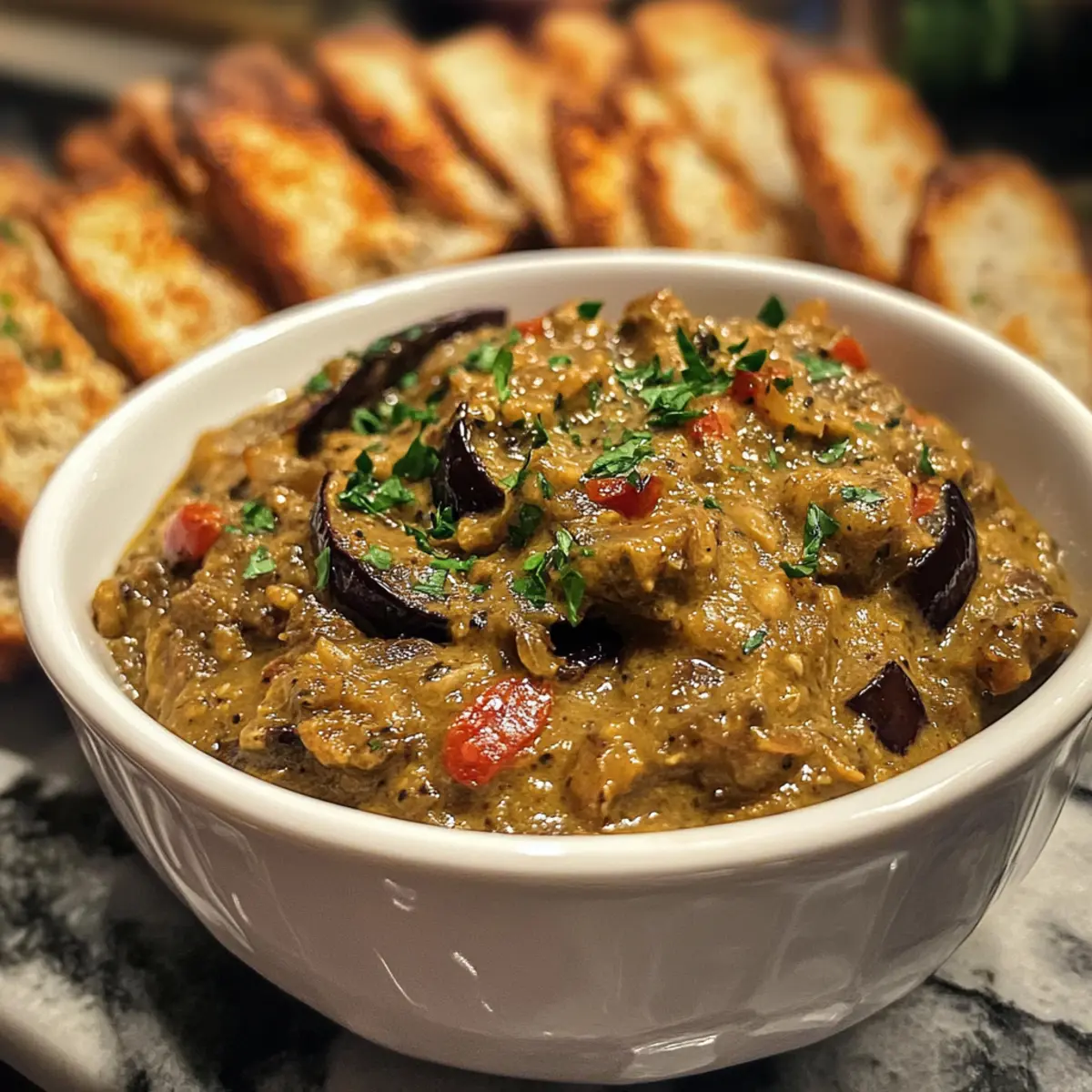
There's an undeniable magic in a perfectly crafted dip, and when it comes to a show-stopping appetizer, few can rival the allure of a truly creamy eggplant dip. More than just a simple spread, this versatile dish offers a symphony of flavors and textures – from the irresistible smokiness imparted by high-heat cooking to the velvety smoothness that glides across your palate. Whether you're a seasoned chef or a home cook looking to elevate your snack game, mastering the art of a smoky eggplant dip promises a delightful culinary journey. It’s a staple across the Mediterranean and beyond, cherished for its wholesome ingredients and profound taste. Forget mundane snacks; prepare to transform humble eggplants into a vibrant, flavorful experience that's both deeply satisfying and surprisingly simple to achieve.
The Global Appeal of Creamy Eggplant Dips
The creamy eggplant dip, in its myriad forms, holds a cherished place in cuisines worldwide, particularly across the Mediterranean, Middle East, and parts of Eastern Europe. Its enduring popularity stems from its comforting texture, robust flavor profile, and its ability to effortlessly bridge the gap between a casual snack and an elegant side dish. While the core ingredient remains the humble eggplant, regional traditions have birthed distinct variations, each with its own character.
- Baba Ganoush: Often considered the most famous, traditional baba ganoush typically features roasted eggplant blended with garlic, lemon juice, olive oil, and fresh parsley. Crucially, it stands apart from its close relatives by not including tahini or yogurt, allowing the smoky essence of the eggplant to truly shine. Some versions, like Ramona's Cuisine's, even incorporate onion and tomato for added depth.
- Moutabbal: This Middle Eastern mezze dish shares many similarities with baba ganoush but is distinguished by the inclusion of tahini, a sesame paste, or sometimes yogurt. Tahini lends a nutty, slightly bitter complexity and an even silkier texture, while yogurt adds a tangy creaminess.
- Melitzanosalata: Hailing from Greece, Melitzanosalata translates directly to "Greek eggplant dip." It often resembles baba ganoush in its simplicity, focusing on roasted eggplant, garlic, and olive oil, though many Greek recipes, like those from family traditions, will also incorporate finely chopped onion for an aromatic kick.
- Salata de Vinete: In Romania, this dish is known as 'aubergine salad.' Despite the "salad" moniker, its preparation and creamy texture align perfectly with the dip family. It's often a simpler affair, focusing on the eggplant's pure flavor, sometimes with just oil, onion, and seasoning.
What unites these diverse interpretations is the universal love for the eggplant's unique ability to transform into a smoky, velvety base. Whether you prefer a vegan version free of dairy and tahini, or one enriched with sesame or yogurt, the foundational appeal of a wholesome, creamy eggplant dip transcends borders and dietary preferences.
Selecting Your Star: The Best Eggplant Varieties for Your Dip
The journey to a truly exceptional creamy eggplant dip begins long before you even fire up the grill or oven. The type of eggplant you choose plays a significant role in the final texture, flavor, and even color of your dip. While most varieties can be used, some are definitely superior for achieving that desired creamy consistency and delicate taste.
Let's explore some common types and why they might be a hit or miss for your dip:
- Globe Eggplant: This is the most ubiquitous variety, with its large, deep purple, pear-shaped fruit. It's widely available and a decent all-rounder. However, Globe eggplants can sometimes have more seeds and a slightly more bitter flavor, requiring careful salting and draining if not cooked properly.
- Italian Eggplant: Similar in color to the Globe but typically smaller and often elongated, the Italian eggplant offers a slightly sweeter flavor and fewer seeds. It's a reliable choice for dips, providing good flesh-to-skin ratio.
- Japanese Eggplant (or Asian Eggplant): Despite the name, these slim, long, and often light purple varieties are cultivated widely across Asia. They are frequently lauded as the best choice for dips due to their delicate flavor, thin skin, and significantly fewer seeds. Their flesh tends to be less watery, contributing to a naturally creamier final product. Many experienced cooks, myself included, find these varieties yield the most consistently delicious and beautifully textured creamy eggplant dip.
- Rosa Bianca Eggplant: A truly beautiful heirloom variety with a gradient of white, pink, and lavender hues. It boasts a mild, delicate flavor and a creamy texture, making it an excellent, albeit sometimes harder to find, option for dips.
- White Eggplant: Visually striking with their pure white skin, these eggplants are quite versatile. Like the Japanese varieties, they often have a milder flavor and fewer seeds, making them ideal for dips where you want the eggplant's pure essence to shine without bitterness. They also cook down beautifully, contributing to a smooth consistency.
- Thai Eggplant: These small, round, green-and-white striped eggplants resemble mini watermelons. While fantastic for curries, their seeds are quite bitter if not removed, making them less ideal for a smooth, sweet-savory dip unless specifically prepared to mitigate their bitterness.
For the ultimate creamy eggplant dip, prioritize varieties like the Japanese, White, or Rosa Bianca. Their inherent qualities—fewer seeds, delicate flavor, and often lower water content—contribute significantly to a superior final product that is both visually appealing and incredibly palatable.
Mastering the Smoky Flavor: Grill vs. Roast
The defining characteristic of an outstanding creamy eggplant dip is often its distinctive smoky flavor. This isn't just about taste; the cooking method profoundly impacts the texture and color of the eggplant flesh, which in turn dictates the quality of your dip. The golden rule for preparing eggplants for dipping is quick-fire, high-heat cooking.
Grilling: The Ultimate Smokiness
If you have access to a barbecue, grilling your eggplants directly over an open flame is hands-down the best method for achieving that coveted, deep smoky essence. The direct heat chars the skin, infusing the flesh with an incomparable aroma and flavor that an oven simply cannot replicate.
- Preparation: Wash the eggplant and prick it in several places with a knife or fork. This prevents it from exploding as steam builds up inside.
- Grilling Method: Place the whole eggplants directly onto the hot grill grates. Turn them every few minutes. You want the skin to blacken and blister completely on all sides, and the flesh inside to become extremely soft and collapsed. This typically takes 15-25 minutes, depending on the heat and size of the eggplant. Don't be afraid of the charred skin – it's where the magic happens!
- Benefits: Superior smoky flavor, beautiful white and tender flesh (due to quick cooking), and minimal moisture retention, leading to a creamier dip.
Roasting: A Fantastic Oven Alternative
When grilling isn't an option, roasting eggplants in a very hot oven is an excellent alternative. While it won't yield the same intense smokiness as direct flame, high-heat roasting still caramelizes the eggplant and softens it beautifully, developing a wonderful depth of flavor.
- Preparation: Preheat your oven to a blazing 210ºC (420ºF). As with grilling, pierce the eggplant in a few spots.
- Roasting Method: Place the whole, pierced eggplants directly on a baking sheet. Roast for 25-30 minutes, or until the skin is thoroughly blackened and wrinkled, and the eggplant feels completely soft and collapsed when gently squeezed.
- Benefits: Consistent heat, less hands-on, still results in a tender eggplant with good flavor and color.
- Pro Tip: For an extra hint of smokiness when roasting, try placing a foil-lined tray with the roasted eggplant near the oven broiler for the last 5-7 minutes, turning occasionally until the skin is very charred.
The Crucial "Quick-Fire" Principle
Regardless of whether you grill or roast, the key is high heat and fast cooking. This is critical for both flavor and appearance. Slow cooking at low temperatures is a definite no-no for eggplant dip. When cooked slowly, eggplant flesh oxidizes and turns an unappetizing dark purple-greenish hue, which negatively impacts both its visual appeal and its taste. High heat ensures the flesh remains beautifully white and creamy, while simultaneously concentrating its flavors and imparting that desirable smoky char.
Preparing the Eggplant for Dipping Perfection
Once your eggplant is perfectly cooked and charred, the next steps are crucial for achieving that ultimate creamy texture:
- Immediate Transfer: As soon as the eggplant is cooked, transfer it directly to a chopping board. Do not let it cool completely; the residual heat helps in easier scooping.
- Longitudinal Cut: Carefully make a long cut down the center of the eggplant.
- Scoop the Flesh: Using a spoon, gently scoop out the tender, smoky flesh, leaving behind the charred skin.
- Drain Excess Liquid (Optional but Recommended): Eggplant can retain a lot of water. For an extra creamy eggplant dip that isn't watery, place the scooped flesh in a fine-mesh sieve set over a bowl for 10-15 minutes to allow any excess liquid to drain. This step is particularly important if you oven-roasted your eggplants.
Crafting Your Perfect Creamy Eggplant Dip: Beyond the Basics
With your perfectly cooked, smoky eggplant flesh ready, the exciting part begins: transforming it into a luxurious creamy eggplant dip. While the core ingredients are simple, the balance and technique are what elevate it from good to unforgettable.
Achieving the Ideal Creaminess
The method you choose for blending will dictate the final texture:
- Food Processor: For a silky-smooth, almost purée-like dip, a food processor is your best friend. Pulse the eggplant flesh with your other ingredients until desired consistency is reached. Be careful not to over-process, as too much air can make it lighter than intended.
- Hand Mashing: If you prefer a dip with a bit more rustic charm and chunky texture, a fork or a potato masher works wonderfully. Mash the eggplant until it's mostly smooth but still has some delightful bits of eggplant. This method is excellent for a more traditional, homemade feel.
Essential Flavor Foundations
Regardless of the variation you choose, these components are key to a vibrant creamy eggplant dip:
- Garlic: Freshly minced garlic provides a pungent kick. For a milder, sweeter flavor, try roasting a whole head of garlic alongside your eggplant and squeezing out the soft cloves.
- Lemon Juice: Freshly squeezed lemon juice is non-negotiable. It brightens the dip, cuts through the richness, and balances the smoky notes. Add gradually and taste as you go.
- Extra Virgin Olive Oil: A generous drizzle of high-quality extra virgin olive oil not only adds richness and gloss but also contributes its own fruity, peppery notes. It helps emulsify the dip and adds to its creamy mouthfeel.
- Salt and Pepper: Crucial for seasoning. Don't be shy; eggplant loves salt.
- Fresh Herbs: Finely chopped fresh parsley or mint are classic additions, lending freshness and vibrant color.
Customizing Your Creamy Eggplant Dip
This is where you can truly make the dip your own, drawing inspiration from global traditions:
- Tahini: For a Moutabbal-style dip, incorporate 1-2 tablespoons of tahini. It adds a lovely nutty depth and enhances the creaminess.
- Yogurt: A tablespoon or two of plain, full-fat Greek yogurt can add a delightful tang and extra silkiness, moving the dip towards a more Turkish or even Indian raita-like character.
- Spices: A pinch of smoked paprika can amplify the smoky notes. Cumin adds an earthy warmth, popular in many Middle Eastern versions.
- Onion: Finely minced raw onion, or even a small amount of caramelized onion, can add layers of flavor, as seen in some Greek and Romanian variations.
- Roasted Red Pepper: For a touch of sweetness and color, a small amount of roasted red pepper can be blended in.
Serving Suggestions
A creamy eggplant dip is incredibly versatile. Serve it:
- As a classic mezze with warm pita bread, naan, or crusty artisanal bread.
- With a vibrant array of fresh crudités like cucumber sticks, carrot batons, bell pepper strips, or radish slices.
- Alongside grilled meats or fish, offering a refreshing counterpoint to rich flavors.
- Spread into sandwiches or wraps for a flavorful, wholesome filling.
- As a base for bruschetta, topped with fresh tomatoes and basil.
The beauty of this dip lies in its adaptability. Don't be afraid to experiment with the ratios of garlic, lemon, and herbs until you find your perfect balance. A final drizzle of olive oil and a sprinkle of fresh herbs just before serving will add that professional touch.
Crafting the perfect smoky, creamy eggplant dip is a rewarding culinary endeavor that brings the vibrant flavors of the Mediterranean right to your kitchen. From thoughtfully selecting the right eggplant variety to mastering the art of high-heat cooking, each step contributes to a dip that is rich in flavor, silky in texture, and deeply satisfying. Whether you choose the intense smokiness of grilling or the reliable caramelization of roasting, remember that the secret lies in quick, direct heat that preserves the eggplant's delicate flesh. With a balance of garlic, lemon, and olive oil, and perhaps a touch of tahini or yogurt, you can create a versatile, wholesome spread that will undoubtedly become a cherished staple in your home. So go ahead, embrace the journey, and enjoy the delightful results of your homemade creation.
