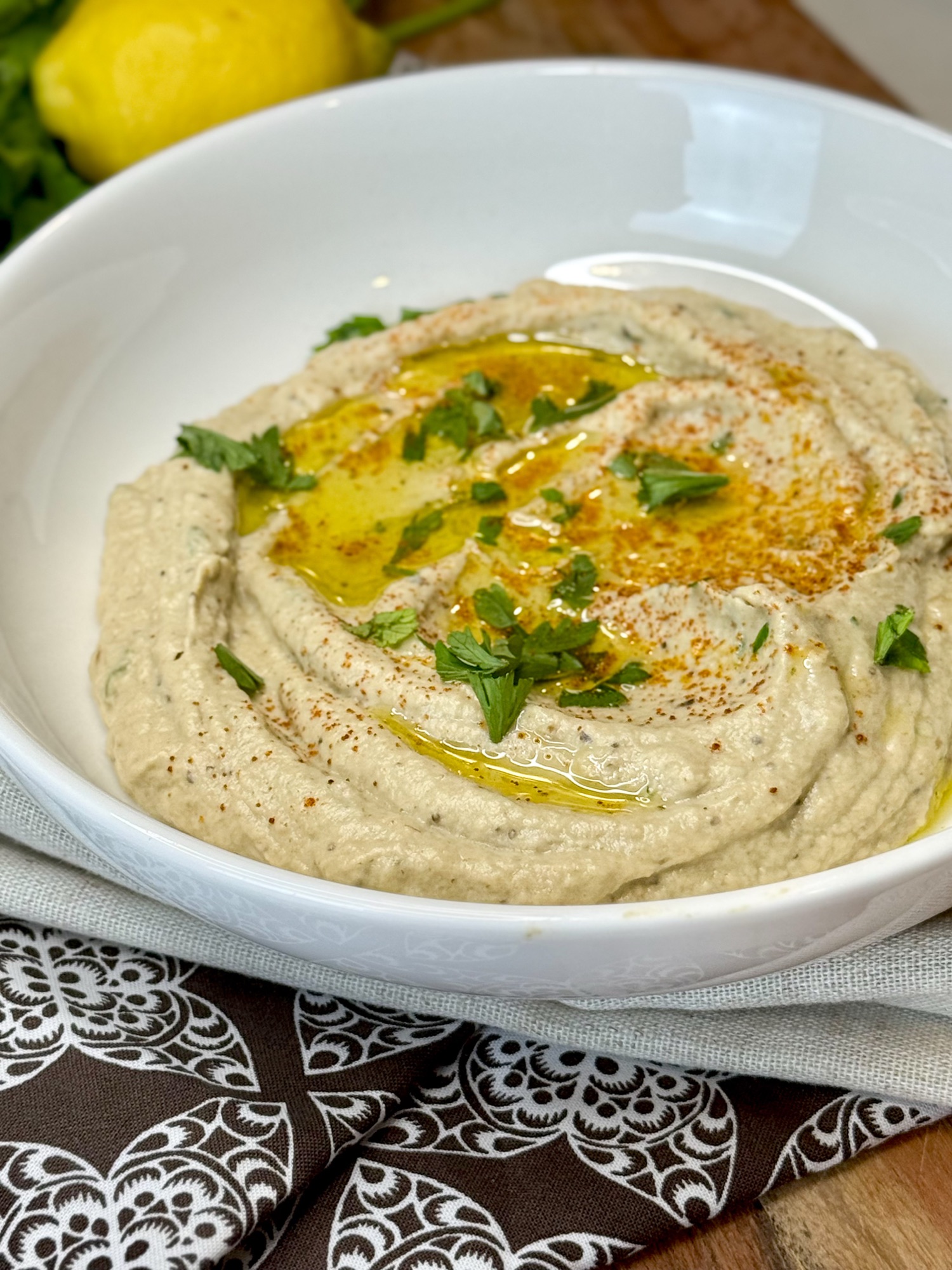
Beyond Baba Ganoush: Exploring Creamy Eggplant Dip Varieties
There's a universally appealing magic in a well-made creamy eggplant dip. It's more than just a dish; it's an experience – a symphony of smoky, savory, and often tangy notes that delight the palate. While Baba Ganoush often takes center stage in conversations about eggplant dips, the world of these velvety concoctions is vast and incredibly diverse, each region adding its unique twist. Far from being a mere appetizer, a robust eggplant dip can elevate any meal, serving as a versatile spread, a hearty side, or a wholesome snack that transcends culinary boundaries.
The beauty of a perfect creamy eggplant dip lies in its adaptability. Whether you lean towards a plant-based diet or simply appreciate vibrant flavors, there's an eggplant dip waiting to become your next obsession. From the sun-drenched shores of the Mediterranean to the bustling markets of the Middle East, these dips have been cherished for centuries, prepared in countless homes, each with its own secret touch. Forget the notion of a single "right" way to make it; the true essence lies in tradition, personal preference, and the sheer joy of transforming a humble vegetable into something extraordinary.
The Global Tapestry of Creamy Eggplant Dips
Venturing beyond the familiar, we uncover a fascinating array of creamy eggplant dip variations, each reflecting the culinary heritage of its origin. While they share a common base of roasted eggplant, their accompanying ingredients and flavor profiles diverge wonderfully.
- Baba Ganoush (or Baba Ganouj): This is arguably the most renowned eggplant dip, originating from the Middle East. Characterized by its smoky flavor, authentic Baba Ganoush typically includes roasted eggplant, onion, tomato, garlic, lemon juice, olive oil, and fresh parsley. Crucially, traditional versions often contain no tahini or yogurt, allowing the pure taste of the eggplant and fresh aromatics to shine through. Its texture is usually chunkier, showcasing the roasted eggplant's natural texture. For those seeking this specific, tahini-free profile, exploring an Authentic Creamy Eggplant Dip: No Tahini, No Yogurt recipe offers a truly traditional experience.
- Moutabbal: Often confused with Baba Ganoush, Moutabbal is another Middle Eastern mezze staple, but with a distinct difference. While it also features roasted eggplant, garlic, lemon juice, and olive oil, Moutabbal's signature ingredient is tahini (sesame paste), or sometimes yogurt. This addition gives Moutabbal a noticeably creamier, smoother texture and a nutty, slightly bitter depth that sets it apart from its tahini-free cousin.
- Melitzanosalata (Greek Eggplant Dip): Hailing from Greece, Melitzanosalata translates directly to "eggplant salad." This particular creamy eggplant dip often features roasted eggplant, plenty of garlic, fresh lemon juice, and a generous drizzle of olive oil. Many traditional Greek recipes also incorporate finely chopped onion, which adds a pungent crispness and rounds out the flavor profile beautifully. The texture can range from chunky to quite smooth, depending on the chef's preference.
- Salata de Vinete (Romanian Aubergine Salad): In Romania, this delightful dip is known as "Salata de Vinete," literally "aubergine salad." Despite its name, it's a luscious, spreadable dip. Typically, it’s made with roasted eggplant that's meticulously hand-chopped or mashed, then emulsified with sunflower oil (or olive oil), finely minced onion, and sometimes a touch of lemon juice or vinegar. The emphasis here is often on the purity of the eggplant flavor, often resulting in a lighter, airier texture without strong spices.
These diverse traditions highlight that while the core ingredient remains constant, the cultural lens through which it's viewed profoundly shapes the final dish. Each offers a unique journey for your taste buds.
Mastering the Art of Roasting for Unbeatable Flavor
The secret to any truly exceptional creamy eggplant dip lies in the preparation of the eggplant itself. The roasting or grilling process isn't just about cooking; it's about infusing the eggplant with a deep, smoky flavor and transforming its flesh into a tender, yielding base that’s perfect for mashing or blending.
The Smokey Advantage: Grilling vs. Roasting
Ideally, grilling eggplants on a BBQ over an open flame yields the most profound smoky flavor, which is a hallmark of many authentic recipes. The direct heat chars the skin, imparting an irresistible aroma and taste to the flesh within. If grilling isn't an option, roasting in a hot oven is an excellent alternative. Preheat your oven to a high temperature, around 210ºC/420ºF. Pierce the eggplants a few times with a knife to allow steam to escape, then roast for 25-30 minutes, or until the skin is thoroughly blackened and the eggplant feels soft and collapsed.
The Quick-Fire Principle: Preserving Color and Taste
A crucial tip often overlooked is the importance of cooking eggplants on a quick, high heat. Whether on a grill or in a very hot oven, direct and intense heat is vital. Slow cooking, conversely, can cause the eggplant flesh to turn an unappetizing dark purple-greenish hue, which affects both its visual appeal and, more importantly, its taste. A rapid cook ensures the flesh remains beautifully white and creamy, contributing to a better-looking and tasting dip. For a deeper dive into optimal cooking methods, check out Grill or Roast: Crafting the Perfect Smoky Eggplant Dip.
Once cooked, immediately transfer the hot eggplants to a chopping board. Make a longitudinal cut and scoop out the soft, smoky flesh. Allow it to drain briefly if it seems excessively watery before proceeding to the next steps. This ensures your creamy eggplant dip has the perfect consistency.
Selecting Your Star Ingredient: A Guide to Eggplant Varieties
Not all eggplants are created equal, and choosing the right variety can significantly impact the texture and flavor of your creamy eggplant dip. With around 6-7 main types commonly available, understanding their nuances can elevate your culinary results.
- Globe Eggplant: This is the most common variety, widely available and recognizable by its large, deep purple, pear shape. It's a reliable choice for dips, offering a robust flavor.
- Italian Eggplant: Similar to Globe but generally smaller and slightly more slender, with a dark purple skin. It shares many characteristics with the Globe variety, making it another good all-rounder for dips.
- Japanese Eggplant (often referred to as Asian type): These are distinctively long, slim, and typically a lighter shade of purple. They have a delicate skin and fewer seeds, making them exceptionally tender when cooked. Many chefs find these varieties to be among the best for dips due to their less bitter taste and smooth texture.
- Rosa Bianca Eggplant: Visually stunning with its mottled white and lavender skin, the Rosa Bianca is prized for its delicate, mild flavor and creamy texture. It's a fantastic choice if you want a dip with a refined taste profile.
- Thai Eggplant: Resembling mini watermelons, these small, round eggplants can be quite bitter if their numerous seeds aren't removed. While excellent for curries, they require a bit more preparation for dips.
- White Eggplant: As the name suggests, these eggplants have a pure white skin. Like the Japanese varieties, they often boast a milder flavor and fewer seeds, leading to a wonderfully creamy and light-colored dip. They are a superb choice for a delicate creamy eggplant dip.
While Globe and Italian eggplants are familiar and reliable, experimenting with Japanese or White eggplants can truly elevate your dip, offering a naturally creamier texture and a less astringent flavor profile. This makes them ideal for achieving that coveted velvety consistency.
Crafting Your Perfect Creamy Eggplant Dip: Tips and Customizations
Once you have your perfectly roasted eggplant, the journey to a luscious creamy eggplant dip is almost complete. Here's how to finish it off and make it truly your own:
Essential Ingredients: The foundational elements for most creamy eggplant dips include:
- Garlic: Freshly minced garlic is non-negotiable for depth of flavor. Adjust the quantity to your liking.
- Lemon Juice: Freshly squeezed lemon juice brightens the dip, cutting through the richness of the eggplant and olive oil.
- Olive Oil: A good quality extra virgin olive oil is crucial, not just for flavor but also for achieving that silky, emulsified texture.
- Salt and Pepper: Season generously, tasting and adjusting until perfect.
Achieving Creaminess and Texture: For a truly creamy dip, you have a few options:
- Hand Mashing: For a rustic texture with small chunks, use a fork or a potato masher. This is traditional for many versions like Romanian Salata de Vinete.
- Food Processor: For a super smooth and velvety dip (think Moutabbal), a food processor is your best friend. Pulse until your desired consistency is reached. Be careful not to over-process, which can sometimes make the dip gluey.
- Emulsification: Slowly drizzling in olive oil while blending or mashing helps to emulsify the dip, making it richer and creamier.
Customizing Your Dip: Add-ins and Variations:
- Tahini or Yogurt: If you desire the nutty flavor of Moutabbal, incorporate 1-2 tablespoons of tahini. For a tangy creaminess, a spoonful of plain Greek yogurt can be stirred in.
- Fresh Herbs: Beyond parsley, consider fresh mint, cilantro, or dill for different flavor dimensions.
- Spices: A pinch of smoked paprika, cumin, or a tiny dash of cayenne pepper can add warmth and complexity.
- Onion: Finely minced raw onion, as in Melitzanosalata, provides a delightful pungency and crunch.
- Roasted Red Pepper: For a subtle sweetness and vibrant color, blend in a roasted red pepper.
Serving Suggestions: A versatile creamy eggplant dip shines in many roles:
- As a classic mezze alongside warm pita bread, crusty baguette, or fresh crudités.
- Spread on sandwiches or wraps instead of mayonnaise.
- Dolloped over grilled meats, fish, or roasted vegetables.
- As a base for a grain bowl or a vibrant side dish.
Always taste your dip before serving and adjust seasonings. A drizzle of olive oil and a sprinkle of fresh herbs just before serving will add both flavor and visual appeal.
Conclusion
The journey through the world of creamy eggplant dip varieties reveals a rich tapestry of flavors, techniques, and traditions. From the unadulterated smokiness of classic Baba Ganoush to the tahini-infused silkiness of Moutabbal, and the garlicky freshness of Melitzanosalata, each dip offers a unique culinary adventure. By understanding the importance of proper roasting, selecting the right eggplant, and embracing the flexibility of various seasonings, you can craft a dip that not only satisfies your cravings but also connects you to a global culinary heritage. So, step beyond the familiar, experiment with these diverse approaches, and discover the truly delicious and endlessly versatile potential of the humble eggplant.
